Referral enters
Capture the source, incident, attorney, eligibility, documents, and care needs without rekeying.
Your workflows. Your facilities. Your PI platform. PI‑360 is custom built to connect referrals, clinical teams, law firms, affiliates, records, and the work between them.
Individually scoped and quoted. Your proposal defines the build, implementation, integrations, and ongoing support.
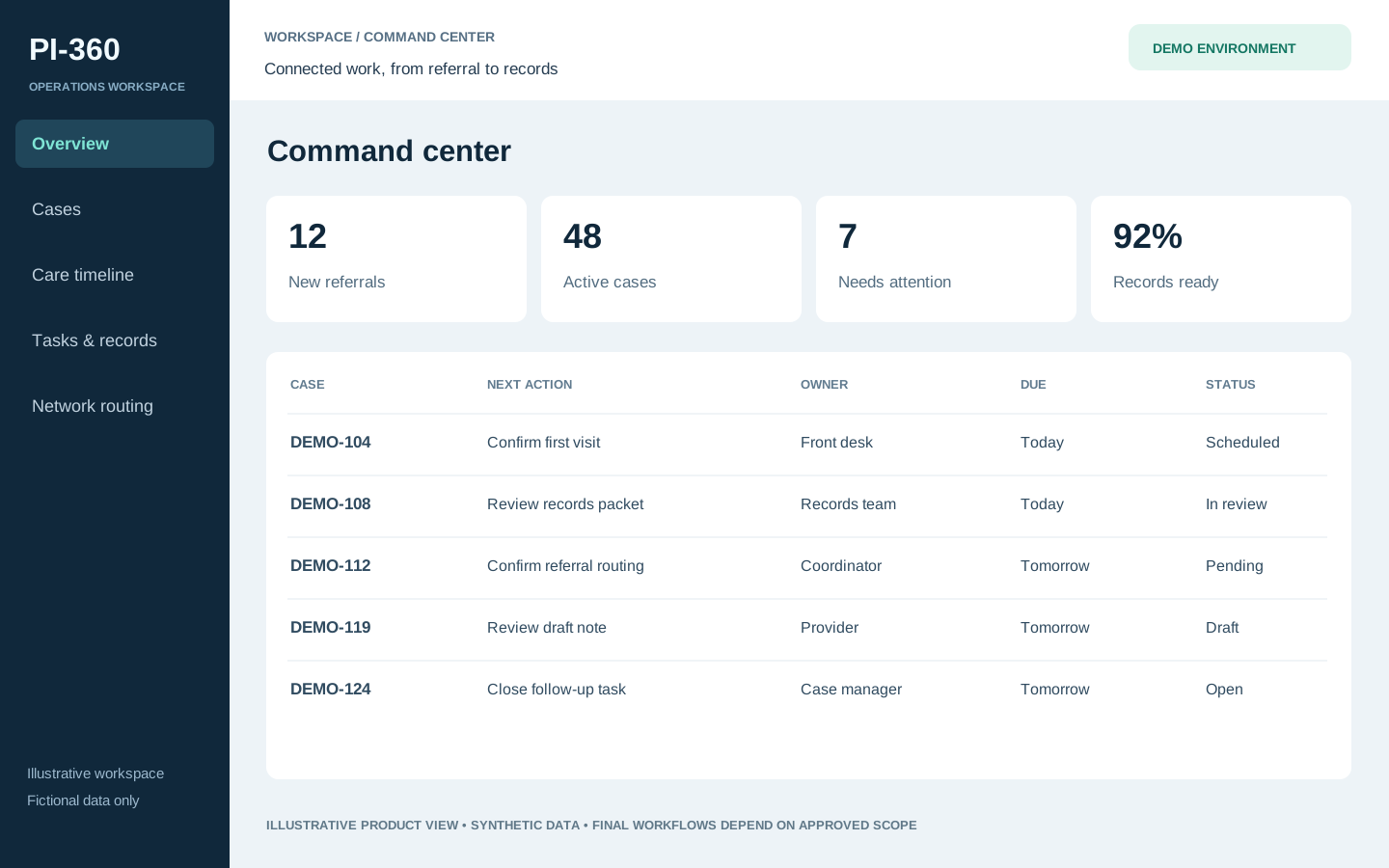
Switch between five roles, open ten fictional personal injury cases, and run a safe notification automation—right here.
PI‑360 replaces the disconnected spreadsheets, generic EHR workarounds, inbox chasing, and portal sprawl that slow personal injury care down.
Capture the source, incident, attorney, eligibility, documents, and care needs without rekeying.
Direct patients to the right provider, specialty, facility, and schedule from a central queue.
See visits, care plans, gaps, tasks, imaging, specialist handoffs, and next actions in real time.
Keep billing, records, legal updates, and case status synchronized through completion.
Run every referral, active case, follow-up, facility, owner, and exception from one PI-specific operating view.
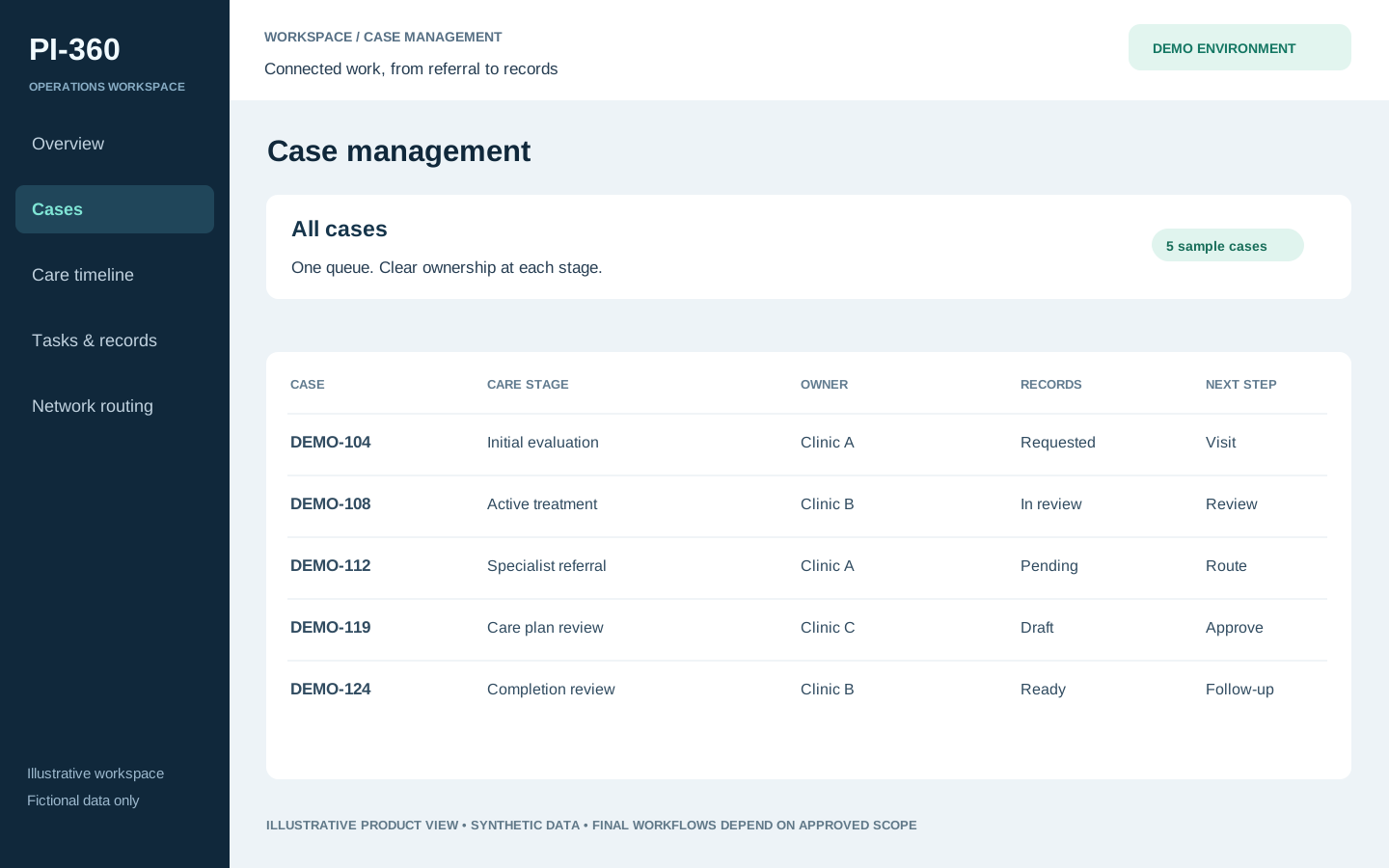
EMR, injury documentation, appointments, treatment plans, provider tasks, and specialty handoffs built around real PI operations.
Connect charges, invoices, liens or LOP workflows, balances, records requests, document status, and release checkpoints to the same case.
No shared spreadsheets. No status-request phone tag. No exposing clinical systems to people who only need a focused view.
Intake, schedules, clinical work, billing, records, and daily queues.
Referral status, treatment progress, records readiness, balances, and secure communication.
Submit referrals, follow accepted cases, exchange updates, and see attributable activity.
Appointments, forms, reminders, documents, communication, and next steps.
Network-wide visibility, permissions, facilities, performance, and exceptions.
Give authorized legal teams a clean, case-level view of referral acceptance, scheduled care, treatment status, visit history, outstanding items, billing and records progress, and the responsible contact.
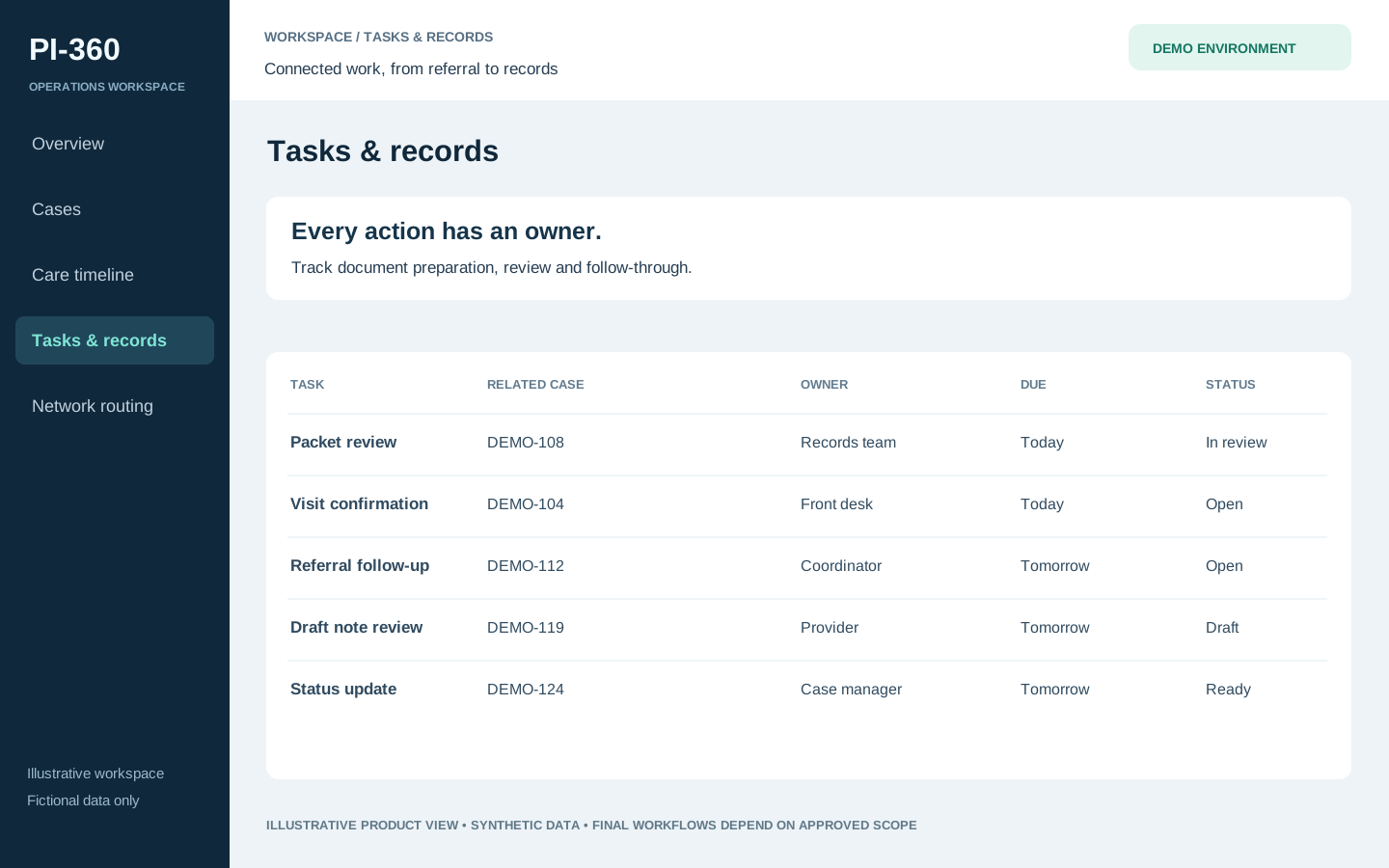
Launch with the workflows you need now, then add facilities, specialties, teams, referral markets, and enterprise controls without replacing the platform.
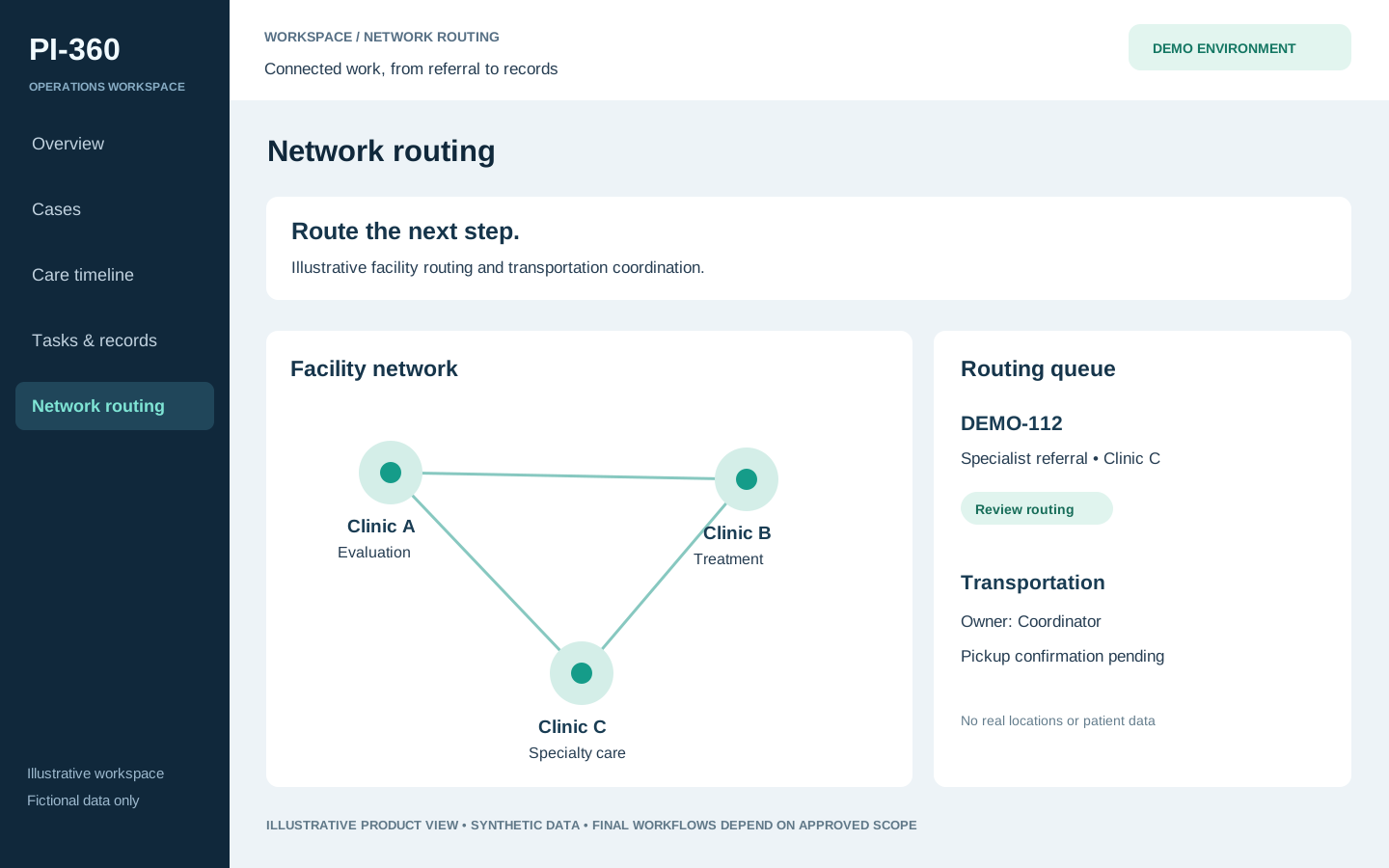
Separate schedules, providers, capacity, work queues, records, and performance while maintaining one enterprise picture.
Direct each case to the best internal or partner facility based on geography, care need, insurance or lien requirements, and availability.
Configure permissions, standards, templates, dashboards, and oversight at the organization level without slowing local teams down.
Keep the patient and case connected across evaluation, imaging, therapy, pain, orthopedics, procedures, and records.
A build around your clinic.
Shared referrals and controls.
Data, access, and analytics at scale.
PI as a connected service line.
Choose a perspective to see how PI‑360 changes the day-to-day experience.
Turn referrals into scheduled, progressing, documented, billable, records-ready cases—with clear ownership at every step.
See accepted referrals, scheduled visits, treatment progress, outstanding care, records and billing readiness, and secure updates without chasing the clinic.
Give trusted partners a professional path to submit referrals, exchange required information, follow status, and understand activity attributable to their network.
Standardize access, case flow, facility routing, specialty handoffs, legal communication, financial visibility, and performance reporting across the organization.
PI‑360 starts with the case relationships and workflows that generic EHR and practice-management systems treat as afterthoughts.
PI‑360 is configured around your facilities, specialties, users, referral sources, records flow, billing model, forms, permissions, and reporting needs.
Talk through your rollout ↗Confirm facilities, specialties, roles, referral paths, case stages, legal workflows, data, and integrations.
Set up templates, forms, permissions, portals, queues, automations, dashboards, and migration scope.
Bring each team live with focused training, ownership, data checks, support, and adoption checkpoints.
Use performance signals, exceptions, feedback, and growth plans to continuously tighten the system.
Need a technical, security, migration, or workflow deep dive? We will bring the right operator into the conversation.
Ask a questionPI‑360 is a dedicated custom build. We review your workflows, facilities, users, portals, integrations, migration, and support needs before preparing a proposal. Implementation and recurring costs are agreed in writing. There is no fixed-price self-service checkout.
A normal EHR is centered on clinical documentation. PI‑360 connects clinical care to the rest of the personal injury case: referral sources, law firms, affiliates, facilities, treatment progression, records, billing coordination, portal visibility, tasks, and operational reporting.
Yes. PI‑360 is designed for independent clinics, multi-location groups, specialty networks, and enterprise health systems. Each facility can maintain the right schedules, providers, workflows, and permissions while leadership keeps one operating view.
Access is configurable. Authorized firms can be given a focused view of referred cases, appointment and treatment status, outstanding items, records and billing readiness, documents, and secure updates—without entering the clinical system.
Yes. The affiliate experience is designed around referral submission, required intake information, referral status, partner communication, and attributable activity. Permissions and visibility are tailored to the partner relationship.
Timing depends on facility count, users, migration scope, integrations, templates, and portal requirements. Your proposal sets the implementation plan, acceptance checks, and launch sequence before work begins.
Tell us about your organization, facilities, team roles, and the workflows you want to improve. We will review the scope with you and prepare an individual proposal. Please do not include patient information.